
How To Build A Loyalty Program That Actually Improves Customer Retention
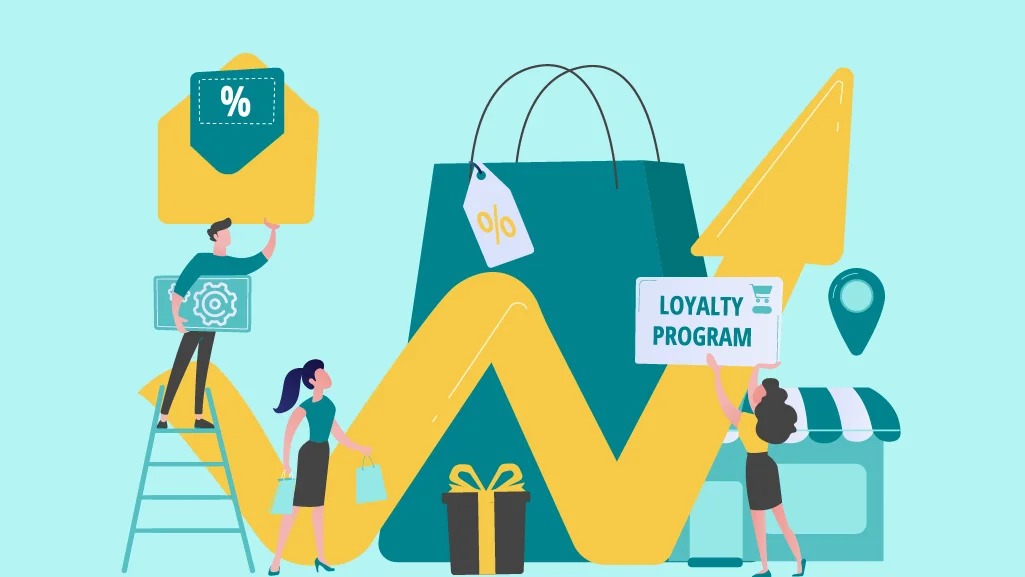
Customer loyalty programs are initiatives that businesses use to reward customers for engaging with or patronizing them repeatedly.
The goal is to build a good, lasting relationship with customers. This relationship aims to encourage customers to refer the brand and keep patronizing it.
However, when loyalty programs are not structured right, rewards will be offered, but customer retention won’t be achieved.
We know you won’t want that.
So, let’s look at effective ways you can structure your loyalty programs to make your customers refer your business and keep coming back to patronize you:
• Define Your Goals
Before you launch a loyalty program, you need to clearly outline the goals and objectives you plan to achieve with it.
Is it customer retention, new clients, more sales, or more engagement? Specify it.
When you have clear performance metrics, it will be easier for you to review the performance of the program when you launch it.
• Figure Out What Your Customers Value Most
The first step to building a great loyalty program is understanding what your customers value most. When you understand what you can offer them to keep them loyal, you can then create your loyalty program around it.
The rewards in the program should be what they value, expect, and will appreciate. It could be a discount, a free product, or exclusive access to one of the products or services you offer.
You can discover these rewards by analyzing your conversations with your customers and purchasing patterns. Figure out the things they always ask for when you are transacting or negotiating with them and offer them as rewards in the program.
• Choose the Type of Program
The types of loyalty programs include:
• Point-based Program
This program gives customers points for patronizing your brand, as well as for referrals. These points could also be gained through sharing your posts on social media or distributing your marketing materials.
Rewards are given out based on a specific number of points. For example, you can specify that if customers reach 100 points, they will get a 15% discount or a free product.
• Tier-based Program
This is a loyalty program that gives customers a sense of exclusivity. It involves customers attaining higher tiers based on their level of patronage, referrals, and engagement.
In this program, the higher you go, the higher the rewards you get.
• Subscription or Membership Program
Here, customers pay a recurring fee to enjoy special benefits, pricing, and discounts. This program gives your brand guaranteed revenue and makes customers who pay for it engage with you regularly.
Check these programs and choose the one that best suits your customers and can give you a good ROI. When you find the one that ticks these two boxes, you can implement it.
• Keep the Program Simple and Achievable
Don’t overcomplicate your loyalty program. Keep it as simple as possible so that customers can easily understand it and engage with it.
When your customers can understand the program well, they can also explain it to their friends and family. This can improve the number of referrals you get.
There is also no point in launching a loyalty program if you make it too hard for loyal customers to benefit from it. It can make your customers frustrated and make them unwilling to participate in it.
So, make the rewards easy to get and make the points and tiers attainable. Just make sure the customers earn the rewards they are getting by doing something worthwhile for your brand.
• Personalize the Experience
One of the most effective ways of achieving customer retention is by personalizing the experience.
Customers have different things they value. So, you can use purchase data to learn each customer’s preferences and interests and make their rewards feel personalized.
This could involve sending them personalized birthday gifts, customized discounts, or recommendations based on their purchasing habits.
When customers see that you pay enough attention to their interests and preferences to make their experiences personalized, they are a lot more likely to stay loyal to your brand. It also prompts them to engage with your loyalty programs.
• Prioritize Emotional Connection
The goal of a loyalty program is to keep your customers loyal, and one of the best ways of achieving this is by creating an emotional connection.
When you send your customers personalized discounts and celebrate their birthday, anniversaries, or other milestones, they will feel special and develop an emotional connection to your brand.
Asking for feedback and suggestions from customers is another way of making them emotionally loyal to your brand.
In addition, you can build an emotional connection with your customers by providing excellent customer service that is always available to answer their questions.
There will always be customers who have questions about the loyalty program and how to redeem points, so you need a support service on standby to promptly attend to them.
When customers see that their feedback and questions are valued enough to always be attended to, they will remain loyal to your brand.
• Advertise The Program
Your customers and target audience won’t automatically know when you launch a loyalty program. You need to advertise and market it until they are aware and engage with it.
Email marketing, social media marketing, and your website are effective channels you can use to promote your loyalty program. Just keep the message consistent across all channels, and you will see an increase in participation as time goes on.
• Review the Performance of the Program
Launching a loyalty program isn’t the end of the road; it’s just the beginning.
When the program is launched, you still need to review it from time to time to check if it is helping you achieve your predefined goals. You need to also check the feedback you are getting from your customers about it.
If it’s not going the way you want, you can always make adjustments to it or build it again from scratch.
This isn’t a sign that you have failed. It’s a sign that you are open to learning and making changes till the program succeeds.
Final Thoughts
Customer loyalty programs are a great way for you to improve your business’s sales and revenue. However, it can only help your business grow when you do it the right way.
In this article, we explain the steps you can follow to build an effective loyalty program that can ensure customer retention.
Remember, an effective loyalty program is a win-win situation for you and your customers, and once your customers are happy and satisfied, they will gladly refer your business and patronize you again.